
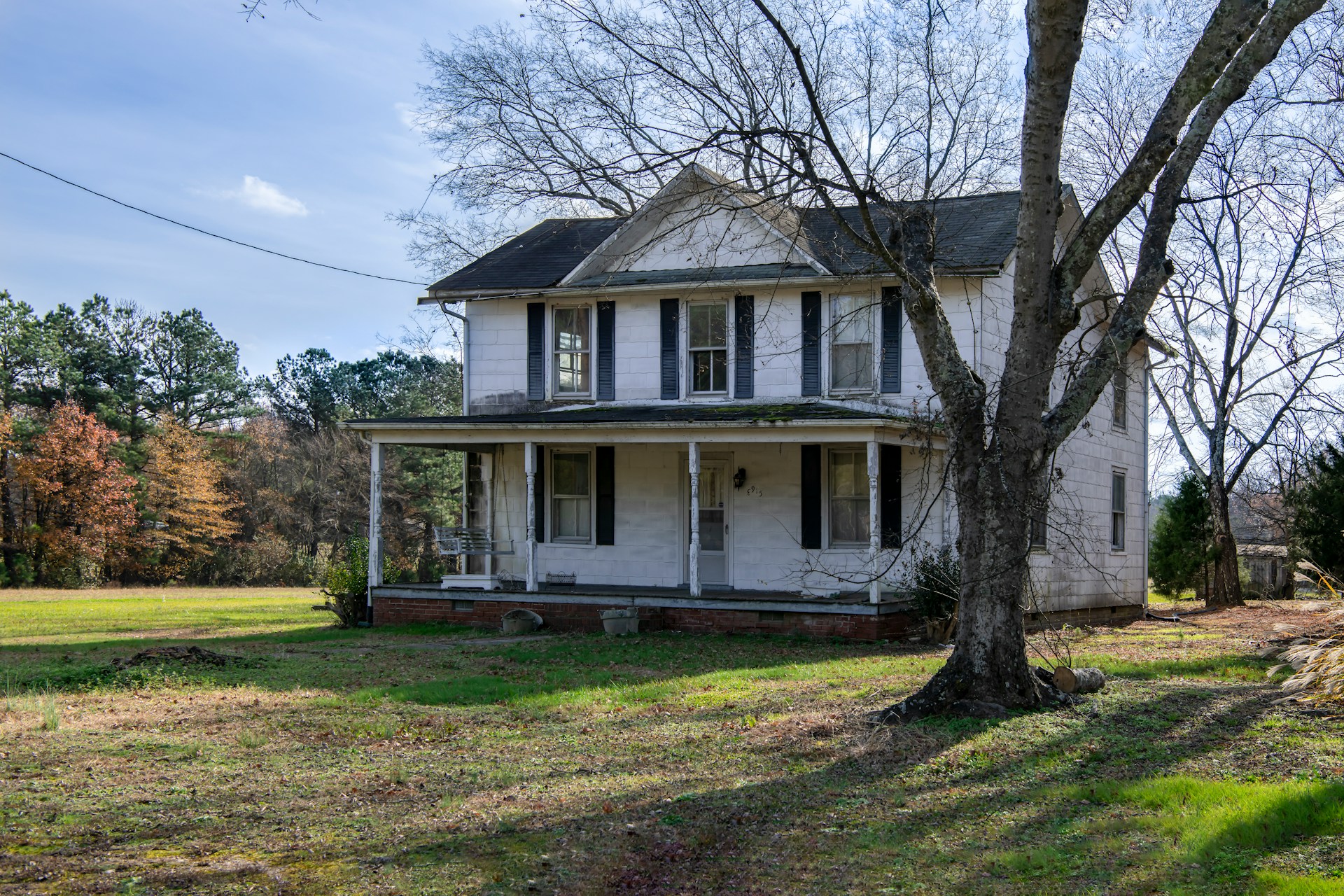
Your heart sinks the moment you see that bright orange notice posted on the front door. The words “unsafe” or “condemned” make it hard to think clearly. What happens now? Can you still sell your house in Massachusetts if it’s been condemned? For many homeowners, that question comes with confusion, urgency, and a bit of fear.
In my work as a Massachusetts real estate investor, I’ve guided families through this exact challenge. Let’s walk through what it means, what you can do, and how to find a clear path forward.
What “condemned” really means and when it happens
You might assume that once a house is condemned it can’t be sold—and that’s not entirely true. First let’s unpack what condemned means. A building is often declared unfit for habitation by a local municipality or building authority because of serious safety, health or structural issues. According to real-estate commentary, a condemned house is “deemed unsafe to live in” and may still end up being sold. This article explains how condemnation doesn’t automatically mean the property is unsellable.
In Massachusetts, homes may become condemned due to factors such as prolonged abandonment, code violations, structural collapse risk, or unsafe utility systems. One state resource explains that abandoned homes may face special receivership or foreclosure procedures. Massachusetts’ abandoned housing initiative FAQ outlines how local governments can act to protect safety and neighborhoods.
On the flip side, having a condemned status does not necessarily mean the property cannot be sold. Most people notice how those two facts can exist together—and that’s okay. What matters is understanding how the status affects value, timing, paperwork and buyer appetite.
Legal and structural triggers for condemnation
I’ve walked into homes where the wallpaper is peeling, the roof has collapsed in one corner, and utilities long since turned off—and felt the weight of what I call the “structural pause.” These triggers often include:
- Severe structural damage from fire, flood or long-term neglect.
- Utility systems shut off or declared unsafe—wiring, plumbing, gas faults.
- Pest, mold or rodent infestation that violates habitability codes.
- Prolonged vacancy and abandonment, leading local authorities to tag the property.
- The owner failing to maintain or respond to repeated violation notices.
In those moments of inspection I tell families: “The status isn’t the end of your options—it’s a sign to get serious about next steps.”
When can you realistically sell a condemned house in Massachusetts?
Yes, you can sell a condemned house in Massachusetts—but with important caveats. The key question is often: what kind of condemnation? If the property was seized by eminent domain and title transferred to the government, that scenario is different than one where the property remains in private ownership but has an unsafe designation. A helpful guide notes that “owners can still sell their condemned homes” if the local rules allow.
Here’s how I break it down for clients:
- If the property is condemned but remains privately owned, you can list or negotiate a sale—though you’ll face fewer buyers, likely lower value, and some hurdles.
- If the property is condemned due to eminent domain (meaning the government has taken ownership), your path involves compensation rather than a traditional sale.
- If the property is under local housing receivership or fire/safety hold, you’ll need clear disclosure and a buyer willing to navigate those conditions.
Most people underestimate how much disclosure and paperwork will matter. It’s not just about marketing; it’s about fully understanding the risks for both seller and buyer.
How the condition and status affect value and buyer interest
I once negotiated a property where the condemned sign was flagging because the attic had collapsed and local authorities had taped off the entrance. The value dropped significantly compared to a typical listing nearby—even after accounting for land value and potential redevelopment. You need to know how far your estimate must adjust, and how fast your timeline may be.
Here’s what property owners should expect:
- Reduced buyer pool: Most traditional buyers and lenders avoid condemned properties.
- Higher risk premium: Buyers who do show interest expect steep discounts or expect to do major work.
- Time pressure: Holding costs (taxes, utilities, insurance) often continue even while you try to market the home.
- Disclosure obligations: You’ll likely need to inform buyers of the condemnation status, past violations, and any repair orders or liens.
On the flip side, if land value is strong, zoning allows redevelopment, or you have a buyer willing to accept risk, you might still capture meaningful value. My advice: treat the sale as part real estate transaction, part risk negotiation.
Repair vs sell-as-is: a critical decision point
One of the most frequent questions I hear is: “Should I invest in repairs or just sell as-is?” The truth is: it depends on cost, timeline and emotional bandwidth. If the repair path is prohibitively expensive or you’re on a tight timeline, selling as-is often makes more sense. If you and the property can withstand the repair time and cost, value may be higher at sale.
Consider these factors:
- How much are the code violations or safety orders? Are they isolated or widespread?
- What’s the estimated cost to bring the property up to inspection standards and regain occupancy?
- How long will this take—with your holding costs growing each month?
- What kind of buyer will you attract post-repair vs pre-repair?
In short: If repairs push you into months of delay, you may pay more in overhead than you recover in added value. For many sellers I work with, the simpler route wins.
How to sell a condemned house in Massachusetts
Let’s walk through what it takes—beyond the emotional side—to execute a real sale of a condemned house in Massachusetts. Think of this like your project roadmap.
- Secure the property: If it’s vacant and condemned, ensure it’s safely boarded, insured and protected from squatters or vandalism.
- Obtain required documentation: Get the condemnation notice, code violation records, inspection reports, and a title search showing no surprise liens.
- Disclose fully: Be transparent with prospective buyers about the status, what work is required, insurance challenges, and risk factors.
- Pick your sales route:
- Traditional listing: Potentially higher price, but slower and riskier given condition.
- Sell to a specialized buyer or cash home buyer: Faster, fewer contingencies, less exposure to delays.
- Evaluate offers carefully: A lower offer might come with certainty and speed—decide what’s most valuable to you.
- Coordinate closing logistics: Confirm any local government clearance or outstanding code orders, and ensure transfer of ownership is clean for the buyer.
- Keep records: Especially if you’re dealing with tax or restructuring issues, a clear file helps later.
You might be surprised how many sellers gloss over early secure-the-property steps—and then face vandalism, theft or increasing costs while they negotiate. Avoid those traps by staying ahead of logistics.
Clearing Up the Most Common Misconceptions About Condemned Houses
It’s amazing how many rumors surround condemned homes. Some are half-true, others completely off base. Over the years, I’ve heard just about all of them—so let’s set the record straight with what really happens when a house in Massachusetts is condemned.
“Once a house is condemned, it can’t be sold.”
That’s one of the most common fears, but it’s not accurate. A condemned house can often still be sold as long as ownership remains private and all required disclosures are made. It just takes a buyer who understands the process and is prepared for repairs or redevelopment. Many cash buyers specialize in these exact scenarios and can legally purchase a condemned home as-is.
“A condemned house has no value.”
False again. While the structure may have little or no livable value, the land often carries significant worth—especially in markets where zoning allows new construction or the lot sits in a desirable neighborhood. In those cases, buyers might see the property as a blank canvas rather than a lost cause.
“Utilities are off, so the property can’t close.”
Utility shutoffs don’t necessarily stop a sale. Many experienced buyers understand that condemned houses may lack active water, gas, or electric service, and they’re ready to handle those restorations themselves. The key is transparency during negotiations so there are no surprises after closing.
“Once it’s condemned, you’re stuck with it forever.”
Thankfully, no. While the process might feel overwhelming, sellers have multiple routes to resolve the situation—repairing enough to remove the status, selling as-is to a cash buyer, or even negotiating with the city for demolition credits. With the right plan and partners, homeowners can move on faster than they think.
Once those misconceptions are cleared up, the path forward becomes much less intimidating. Understanding the real limitations—and opportunities—behind condemnation helps you make smarter, calmer decisions about what comes next.
Why working with a cash buyer often makes sense for condemned properties
I’ve found that for condemned or severely distressed properties, working with a cash home buyer often offers the most practical path forward. Here’s why:
- Fewer contingencies: No loan approval, fewer inspections, fewer delays.
- Speed: Closings can happen in days or a few weeks—helpful when holding costs are mounting.
- Repair burden often shifts: Many cash buyers specialize in taking properties as-is and handling demolition or rebuild. That means you don’t need to fund major improvements upfront.
- Control: The process tends to be more streamlined, which reduces stress and uncertainty.
On the flip side, you may accept a lower price. But if your priority is closure, certainty and avoiding prolonged overhead, this route frequently wins. In my practice I’ve seen sellers release the burden, reclaim their finances and move on with relief.
What to watch for when choosing your buyer or partner
If you decide to use a cash buyer for a condemned house in Massachusetts, you want someone you trust—someone who understands the condition, the local code environment and the unique challenges. Here are questions I encourage homeowners to ask:
- Is the buyer local to Massachusetts and familiar with the specific municipality’s condemnation process?
- Do they provide written offers and clearly outline closing timeline, costs and contingencies?
- Will they assume responsibility for remaining code violations, demolitions or clean-up (or do you)?
- Do they have references and verifiable closings of similar distressed/condemned properties?
- Are you clear on what happens if something unforeseen comes up—liens, zoning issues, demolition orders?
These might feel like basic questions—but truth is they stop many unpleasant surprises in the closing week. If you’re working with a partner who treats this as routine rather than exceptional, you’re already ahead of most sellers.
Planning for closing day and the aftermath
In the final stage you’ll want to ensure the details are covered so the sale is clean and you walk away without liabilities. Some things to watch:
- Ensure the deed transfer is recorded properly in the county or registry of deeds.
- Confirm any outstanding municipal code orders or liens are either cleared or acknowledged in writing.
- Update the property tax status: Make sure you’re not left with ongoing tax bills after transfer.
- Document the sale fully: Keep copies of the condemnation letter, offer, closing statement, and any repair or demolition documents for your records.
- Schedule your next step: whether that’s reinvestment, debt pay-off or emotional closure, you’ll breathe easier once the signature’s done.
And on a human note: walking away from a condemned house may feel strange at first. You might look back and see a threshold you once crossed. But consider this: you’re stepping into new ground, freeing up what had become a burden and letting your next chapter begin.
Closing thoughts
If your property in Massachusetts has been condemned and you feel stuck, take heart: there is a path forward. You’ll benefit most by choosing a clear strategy—whether that’s making repairs and selling later or accepting an as-is sale now. Work with professionals, gather your documentation, and keep your goal front and center. In my work I’ve seen what looked like the end of the road turn into a fresh start once the right partner stepped in.
When time is ticking and you want a straightforward resolution, Pavel Buys Houses offers the option of a cash offer approach tailored for condemned or distressed homes. Our Massachusetts-based team understands local regulations, closing timelines, and how to handle difficult properties with care. We can provide a fair cash offer and close on your schedule so you can move forward with peace of mind and zero repair costs. Reach out today to see how we can help you sell your condemned house in Massachusetts.
⚡ Sell Your House Fast
"*" indicates required fields

Pavel Khaykin
Pavel Khaykin is the founder and author of Pavel Buys Houses, a nationwide home buying company that helps homeowners sell their properties quickly for cash. With a strong background in real estate and digital marketing, Pavel has been featured in The New York Times, ABC News, and The Huffington Post. His mission is to make the home-selling process simple, transparent, and trustworthy for every homeowner he works with.