
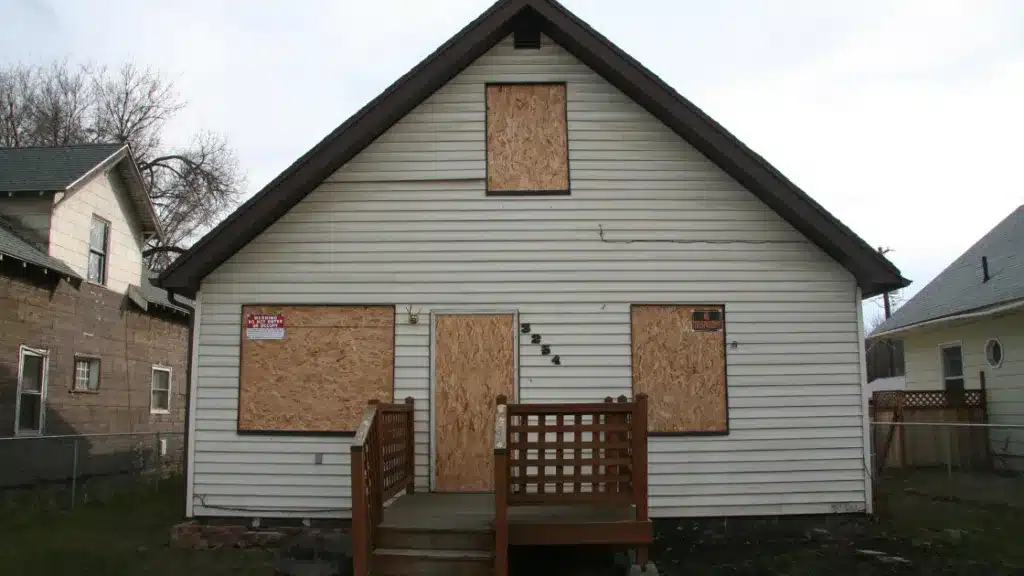
In this article, we’ll go through everything you need to know about condemned houses, from understanding what makes a house condemned to the intricacies of selling such properties in New Hampshire. We’ll explore the reasons behind house condemnation, the condemnation process, and the potential for rehabilitation. We’ll also explore the ethical dilemmas associated with selling a condemned property and discuss future prospects for such houses.
Whether you’re dealing with significant structural damage or fire damage that has led to your property being deemed unfit for occupation, knowing your rights, responsibilities, and options can help you make informed decisions. Let’s get started.
What is a Condemned House?
When a house is labeled as condemned in New Hampshire, it signifies that the property is no longer fit for occupancy. The designation “condemned” is a red flag that the dwelling poses significant risks to health, safety, or both.
Common Reasons Houses are Condemned in New Hampshire
Several scenarios can lead to a house being condemned in New Hampshire. Some of the most common reasons include:
- Severe Structural Damage: Houses can be condemned due to severe structural damage. This damage could be the result of various factors, including natural disasters like earthquakes, hurricanes, or floods that have compromised the structural integrity of the building. Alternatively, it may also stem from neglect and deterioration over time due to poor maintenance practices. Examples of such damage could include a cracked foundation, serious roof leaks, or extensive termite damage that threatens the stability of the structure. When a house suffers from such significant damages, it becomes unsafe for habitation and may be considered for condemnation by local authorities.
- Contamination: Another common reason for house condemnation is contamination. This might occur due to chemical spills or biohazards which could pose serious health risks to occupants and neighbors. For instance, a house could become contaminated with hazardous materials like asbestos or lead-based paints that can cause serious health problems if inhaled or ingested. Similarly, a property might also be condemned if it’s found to have high levels of radon gas – a naturally occurring radioactive gas that has been linked to lung cancer. Mold infestations too, particularly toxic black mold, can lead to home condemnation since they can lead to respiratory issues and other health problems.
- Code Violations: Houses can also be condemned due to significant non-compliance with building codes—especially those related to safety measures. Building codes are put in place by local authorities to ensure that properties are safe and habitable. This includes regulations around electrical systems, plumbing structures, ventilation systems, fire safety measures among others. For example, properties with faulty wiring risk causing electrical fires while those with plumbing failures might face sanitation issues – both posing considerable safety risks. Similarly, inadequate egress routes in case of emergencies can lead to a house being declared unfit for habitation and hence condemned.
It’s important for homeowners and potential buyers to understand these reasons behind house condemnation in order to make informed decisions and take necessary steps for remediation or disposal.
The Condemnation Process in New Hampshire
Understanding the condemnation process in New Hampshire can provide property owners with crucial insights and prepare them for the complexities involved. This process, initiated by governmental authorities, is often due to health and safety risks posed by a property’s hazardous conditions.
Step 1: Issuance of Condemnation Notice
Local authorities are responsible for issuing a condemnation notice when a property is deemed unsafe or unfit for habitation. This document outlines the specific reasons leading to this decision such as severe structural damage, contamination hazards, or significant code violations. It’s important to remember that receiving a condemnation notice does not automatically mean you lose ownership of your property. You retain legal rights over the property, albeit with some restrictions.
Step 2: Rights and Responsibilities of Property Owners
Upon receiving a condemnation notice, property owners have certain rights and responsibilities. They can address the issues pointed out in the notice within a stipulated time frame. This may involve making necessary repairs or remediation efforts to bring the property up to code standards. Alternatively, they also have the right to contest the condemnation if they believe it was incorrectly or unfairly imposed.
Step 3: Inspection and Evaluation for Rehabilitation
If you choose to address the issues mentioned in the notice, the next step involves an inspection and evaluation of your property’s potential for rehabilitation. Licensed professionals conduct a thorough inspection to evaluate whether it’s feasible to make the necessary repairs or if demolition is more appropriate. Factors considered during this evaluation include cost-efficiency, safety implications, and compliance with building regulations.
Step 4: Final Determination by Government Agency
Following inspection and evaluation, a final determination regarding your property’s fate is made by a governing agency. If improvements are deemed sufficient, and your property now adheres to health and safety codes, you may retain ownership. However, if your efforts fall short or if you’ve failed to take any action, the government can assume ownership.
Remember,selling a condemned house is possible and often preferable to dealing with the complexities of the condemnation process. Whether you decide to sell as-is or make an attempt at rehabilitation, it’s essential to seek professional advice and support. Also, consider cash home buying companies who specialize in purchasing distressed properties, like Pavel Buys Houses. We are ready to offer a fast, no-obligation cash offer to help you navigate this situation with ease and confidence.
Can a Condemned House Be Repaired in New Hampshire?
One question often asked is whether it’s possible to rehabilitate a condemned house, bringing it up to the required standards for habitation in New Hampshire. The answer is yes, but it’s important to understand that repairing condemned houses involves navigating building codes, safety requirements, and potentially costly renovations.
The feasibility and cost considerations of such an endeavor largely depend on the reason for the condemnation. For instance, repairing minor code violations or cosmetic issues might be relatively straightforward and affordable. However, addressing major structural damage or health hazards like mold contamination could entail extensive work and significant investment.
The Role of Licensed Professionals
An essential part of this process involves hiring licensed professionals. This isn’t an area where cutting corners is advisable. You’ll need the expertise of experienced contractors who are familiar with the local building codes and safety standards in New Hampshire.
Here are the key steps involved in repairing a condemned house:
- Inspections: Before any repair work begins, you’ll need a thorough inspection of the property to understand what precisely needs fixing. This involves hiring professionals who can accurately assess the extent of damage and recommend appropriate remediation measures.
- Repairs: Once you have a clear understanding of what needs to be done, then comes the task of carrying out the necessary repairs. Again, this should be done by licensed professionals to ensure all work meets safety requirements and complies with local regulations.
- Reinspection: After repairs are completed, another round of inspections is necessary to confirm that all issues have been appropriately addressed. Only then can a house previously deemed condemned be considered fit for habitation again.
It’s crucial not to underestimate the potential costs involved in this process. Depending on your property’s condition, you might end up spending more on repairs than what you could get from selling the house post-rehabilitation. That’s why you must weigh all factors before deciding whether repairing a condemned house is worth it.
Selling a Condemned House As-Is: Options and Considerations
When it comes to selling condemned houses in New Hampshire, you face two primary options: rehabilitating the property to meet housing standards or selling it as-is. This section delves into the latter scenario, providing you with an understanding of the benefits and drawbacks of this approach along with guidance on finding reputable buyers.
Weighing the Pros and Cons
Selling a condemned house as-is means that you’ll be selling the property in its current condition, with no efforts made towards reparations or improvements. This approach carries both benefits and challenges:
Benefits
- Quick Sales: A noteworthy benefit is the potential for a quick sale. Especially when working with cash buyers, transactions can be completed rapidly, often within 10-14 business days.
- No Repair Costs: By selling as-is, you avoid the financial burden and time-consuming process of repairing or renovating a condemned property.
- Ease of Process: Selling a property as-is significantly simplifies the sales process. You bypass many of the hurdles associated with traditional real estate transactions such as inspections, appraisals, and buyer contingencies.
Drawbacks
- Lower Selling Price: The most significant drawback to selling as-is is that you’re likely to receive a lower price than if the house were in good condition. Buyers will factor in repair costs and risks into their offer.
- Limited Buyer Pool: Many potential buyers are hesitant to take on a project as substantial as a condemned house. This can limit your audience to mainly real estate investors or cash home buying companies.
Finding Reputable Buyers
Given real estate market challenges, not all potential buyers have the resources or desire to undertake significant property renovations. However, some specialized buyers focus specifically on distressed properties like condemned houses. These typically include real estate investors and cash home buying companies.
It’s essential to work with reputable, licensed buyers. Companies like Pavel Buys Houses—an A+ BBB accredited cash home buying company—are experienced in purchasing houses in any condition. They offer tailored solutions and a straightforward process, with no need for open houses, repairs, fees, or waiting.
Remember, dealing with condemned properties can be complex. Therefore, it’s recommended to get professional advice before making decisions that could significantly impact your financial situation.
Lelexities, it becomes clear that their future significantly impacts not just individual homeowners but entire communities.
Conclusion
Navigating the sale of a condemned house in New Hampshire requires careful consideration and strategic planning.
Here are key takeaways to keep in mind:
- Knowledge is Power: Equip yourself with a thorough understanding of the state’s regulations on condemned properties.
- Safety First: The safety of all parties involved should always be a top priority. Ensure that any actions taken comply with local laws and building codes.
- Professional Guidance: Don’t hesitate to seek out reputable real estate professionals who can offer tailored solutions to your unique situation.
- Informed Decisions: Assess each option — repairing, demolishing, or selling as-is — against your financial goals, time constraints, and personal circumstances.
Remember, while the path to selling a condemned property may seem steep, it is navigable with the right support system. Explore every avenue available to you in New Hampshire and choose the route that aligns with your needs and ensures the most beneficial outcome for your situation.
⚡ Sell Your House Fast
"*" indicates required fields

Pavel Khaykin
Pavel Khaykin is the founder and author of Pavel Buys Houses, a nationwide home buying company that helps homeowners sell their properties quickly for cash. With a strong background in real estate and digital marketing, Pavel has been featured in The New York Times, ABC News, and The Huffington Post. His mission is to make the home-selling process simple, transparent, and trustworthy for every homeowner he works with.

![Landlord Rights When Tenants Violate the Lease in Massachusetts]](https://www.pavelbuyshouses.com/wp-content/uploads/2025/11/landlord-rights-when-tenants-violate-lease-massachusetts.jpg)