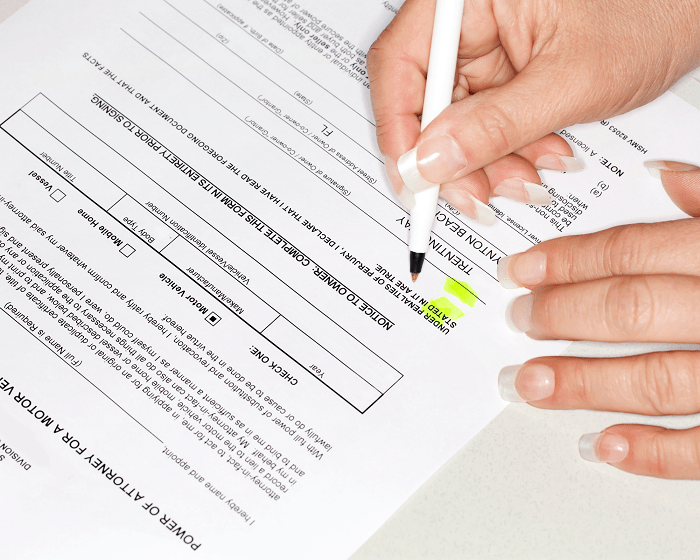

Life doesn’t always move in neat, predictable lines. Sometimes, selling your house isn’t just about finding a buyer or setting the right price—it’s about having someone you trust handle the details when you can’t be there yourself. Whether you’ve relocated, are caring for a family member, or simply can’t make it to the closing table, using a power of attorney can make selling real estate in Massachusetts not only possible but surprisingly seamless. Once you understand the rules and responsibilities, it becomes a practical, even empowering, option for homeowners navigating complex situations.

What a Power of Attorney Actually Means in Real Estate

In simple terms, a power of attorney, or POA, is a legal document that allows one person (the agent) to act on behalf of another (the principal) in specific matters. In real estate, this might mean signing a purchase agreement, completing disclosures, or finalizing the deed at closing. The Massachusetts Uniform Probate Code recognizes different types of powers of attorney, but not all are suitable for selling property. A real estate transaction requires a specific, well-drafted document that grants the agent authority to sell, convey, and sign necessary documents on behalf of the owner.

In my work advising families through estate planning and property transfers, I’ve seen how transformative a properly written POA can be. It saves time, prevents stress, and allows life to keep moving even when someone is ill, abroad, or otherwise unavailable. The key is precision. A vague or outdated power of attorney can delay or even invalidate a sale entirely.

Types of Power of Attorney and Which One You Need

Not all powers of attorney function the same way. In Massachusetts, several variations exist, each serving different needs and timelines. Understanding which one fits your situation is essential before listing your home.

  • General Power of Attorney: This authorizes your agent to act on your behalf in a wide range of financial and legal matters, including real estate, but it becomes invalid if you become incapacitated.
  • Durable Power of Attorney: This continues to be valid even if you become incapacitated, making it the most common choice for real estate transactions when the principal might not be able to handle decisions personally.
  • Limited (or Special) Power of Attorney: This grants authority for a specific action, such as selling a particular property. It ends once the sale is complete.
  • Springing Power of Attorney: This only becomes active once a certain event occurs, such as medical incapacity confirmed by a physician.

For real estate, attorneys and title companies usually prefer a limited or durable POA because these clearly define the scope of authority. The Massachusetts Executive Office of Elder Affairs provides additional guidance on how durable and limited powers of attorney are recognized within the state.

Legal Requirements for Using a Power of Attorney to Sell Real Estate in Massachusetts

Massachusetts law has specific requirements to make a power of attorney valid for real estate transactions. It must be signed by the principal, notarized, and recorded at the Registry of Deeds before the property can transfer ownership. The document must clearly identify the property and explicitly authorize the agent to sell, convey, and execute the deed. Without these details, the title company or closing attorney may reject it.

It’s also important to note that the Registry of Deeds will not accept a POA that lacks notarization. This protects both the principal and the buyer by verifying the authenticity of signatures and ensuring that no one acts under false authority. According to the Massachusetts Secretary of the Commonwealth, all real estate documents recorded in the state must be properly acknowledged before a notary public to become legally binding.

If you’re drafting a POA for the purpose of selling property, it’s wise to include a clear expiration date or specify that the document remains effective until the sale closes. This prevents confusion and ensures that your agent’s authority doesn’t extend beyond your intentions. Once the sale is completed, the power of attorney typically becomes void with respect to that property.

Choosing the Right Agent: Trust and Responsibility

Granting someone power of attorney is a significant act of trust. You’re giving another person the ability to make binding legal and financial decisions on your behalf. That’s why choosing the right agent matters as much as the wording of the document itself. Ideally, your agent should be someone with integrity, organizational skill, and clear communication habits. Family members often serve in this role, but trusted friends, attorneys, or business partners can also act effectively.

Your agent’s responsibilities will likely include:

  • Signing listing agreements and contracts of sale.
  • Negotiating offers with buyers or their agents.
  • Reviewing or signing closing documents.
  • Coordinating with attorneys, title companies, and lenders.
  • Receiving and disbursing sale proceeds as directed.

Before the sale begins, discuss boundaries and expectations. Clarify how communication will work, whether you’ll approve offers remotely, and how your agent should handle last-minute issues. Once you’ve established those guidelines, the process often runs more smoothly than if you were managing it alone. Having one capable person handling everything reduces stress and keeps the transaction organized.

How to Execute a Sale Using a Power of Attorney

The process of selling real estate with a power of attorney in Massachusetts follows the same general timeline as a traditional sale, but with additional legal verification. Here’s how it usually unfolds:

  • Step 1: Draft the Power of Attorney Document with the help of a Massachusetts attorney. Be sure it specifies the property address and the authority to sell, convey, and sign closing documents.
  • Step 2: Sign and Notarize the POA. Both the principal and the notary must sign. The document can then be recorded at the Registry of Deeds in the same county where the property is located.
  • Step 3: List the Property through your agent or realtor, who will now act on behalf of the principal. The POA must be presented to the broker so that all contracts reflect the agent’s authority.
  • Step 4: Accept an Offer and sign the purchase and sale agreement using the agent’s legal authority. The buyer’s attorney will review the POA to ensure compliance with state law.
  • Step 5: Closing Day is where the POA becomes most useful. The agent signs the deed, settlement statement, and any lender documents while the title company verifies that the POA is recorded and valid.

After closing, the proceeds are distributed according to the principal’s instructions. Some sellers choose to have funds wired directly into their bank account, while others have the attorney hold them in escrow until all post-closing matters are settled. Either way, a properly executed POA ensures every step happens smoothly, even if you’re hundreds of miles away.

Common Issues and How to Avoid Them

Despite the convenience, selling property using a power of attorney can create complications if the document isn’t written correctly or verified early. One common problem occurs when the POA lacks sufficient language authorizing the sale of real estate. Without this, title companies and buyers’ attorneys may refuse to proceed. Another issue arises when the POA isn’t recorded with the Registry of Deeds before the closing date, delaying the transaction.

To avoid these pitfalls, consider these best practices:

  • Use an attorney familiar with Massachusetts real estate law to draft your POA.
  • Record the POA at the local Registry of Deeds well before closing.
  • Provide a copy to your real estate broker, title company, and the buyer’s attorney early in the process.
  • Ensure your notary acknowledgment matches the property’s county jurisdiction.
  • Set a clear expiration or limitation of authority to prevent misuse after the sale.

These small steps can save weeks of delay and thousands in potential legal costs. The Massachusetts state website outlines additional consumer protections for powers of attorney, emphasizing the importance of accurate notarization and clear scope of authority.

Why This Option Works So Well for Out-of-State or Elderly Sellers

For many Massachusetts homeowners, a power of attorney isn’t just a convenience, it’s a necessity. Out-of-state sellers often rely on an agent to handle closing when traveling isn’t possible. Similarly, elderly homeowners or those managing health challenges may prefer having a trusted family member sign on their behalf. It’s also common in estate situations where an executor or trustee must sell property to settle an inheritance. In each case, the POA allows the sale to move forward efficiently while preserving the principal’s interests.

From a practical perspective, this approach minimizes stress and travel costs. Closings in Massachusetts often require multiple signings and in-person verifications. When an authorized agent handles these on your behalf, everything stays compliant without you needing to attend in person. Many closing attorneys confirm that a properly executed power of attorney is as valid as the principal signing in person under Massachusetts law.

Final Thoughts

Selling real estate in Massachusetts using a power of attorney might sound complex at first, but it’s an established and reliable process when handled correctly. With the right document, a trustworthy agent, and attention to legal details like notarization and recording, the sale can proceed smoothly even in your absence. Whether you’re relocating, caring for family, or simplifying your affairs, this approach keeps life moving while protecting your property rights. The most important thing is to prepare early and seek professional guidance—because when it comes to something as valuable as your home, careful planning makes all the difference.

Sell Your House Fast

"*" indicates required fields

This field is for validation purposes and should be left unchanged.
This field is hidden when viewing the form
Address
By submitting your information, you consent to receive recurring emails, text messages, or calls from Pavel Buys Houses with offers or information about selling your property. Message and data rates may apply. You can opt out anytime by replying STOP to a text. See our Terms & Conditions and Privacy Policy.

Sell Your Home Fast Allston Sell Your Home Fast Arlington
Sell Your Home Fast Bedford Sell Your Home Fast Belmont
Sell Your Home Fast Boston Sell Your Home Fast Brighton
Sell Your Home Fast Brookline Sell Your Home Fast Burlington
Sell Your Home Fast Cambridge Sell Your Home Fast Chelsea
Sell Your Home Fast Dover Sell Your Home Fast Everett
Sell Your Home Fast Holliston Sell Your Home Fast Hyde Park
Sell Your Home Fast Jamaica Plain Sell Your Home Fast Lexington
Sell Your Home Fast Lynnfield Sell Your Home Fast Malden
Sell Your Home Fast Mattapan Sell Your Home Fast Medford
Sell Your Home Fast Melrose Sell Your Home Fast Milton
Sell Your Home Fast Needham Sell Your Home Fast Newton
Sell Your Home Fast Quincy Sell Your Home Fast Readville
Sell Your Home Fast Revere Sell Your Home Fast Saugus
Sell Your Home Fast Stoneham Sell Your Home Fast Waban
Sell Your Home Fast Wakefield Sell Your Home Fast Waltham
Sell Your Home Fast Watertown Sell Your Home Fast Wayland
Sell Your Home Fast Wellesley Sell Your Home Fast West Roxbury
Sell Your Home Fast Weston Sell Your Home Fast Wilmington
Sell Your Home Fast Winchester Sell Your Home Fast Woburn
Sell Your Home Fast Amesbury Sell Your Home Fast Andover
Sell Your Home Fast Beverly Sell Your Home Fast Billerica
Sell Your Home Fast Chelmsford Sell Your Home Fast Danvers
Sell Your Home Fast Dracut Sell Your Home Fast Gloucester
Sell Your Home Fast Haverhill Sell Your Home Fast Lawrence
Sell Your Home Fast Lowell Sell Your Home Fast Lynn
Sell Your Home Fast Marblehead Sell Your Home Fast Methuen
Sell Your Home Fast Middleton Sell Your Home Fast Nahant
Sell Your Home Fast Newbury Sell Your Home Fast Newburyport
Sell Your Home Fast North Andover Sell Your Home Fast Peabody
Sell Your Home Fast Reading Sell Your Home Fast Rockport
Sell Your Home Fast Rowley Sell Your Home Fast Salem
Sell Your Home Fast Salisbury Sell Your Home Fast Swampscott
Sell Your Home Fast Tewksbury Sell Your Home Fast Winthrop
Sell Your Home Fast Ashland Sell Your Home Fast Fitchburg
Sell Your Home Fast Framingham Sell Your Home Fast Leominster
Sell Your Home Fast Worcester Sell Your Home Fast Amherst
Sell Your Home Fast Greenfield Sell Your Home Fast Northampton
Sell Your Home Fast Springfield Sell Your Home Fast Attleboro
Sell Your Home Fast Avon Sell Your Home Fast Braintree
Sell Your Home Fast Brockton Sell Your Home Fast Fall River
Sell Your Home Fast Holbrook Sell Your Home Fast Hull
Sell Your Home Fast Norwood Sell Your Home Fast Plymouth
Sell Your Home Fast Randolph Sell Your Home Fast Stoughton
Sell Your Home Fast Taunton Sell Your Home Fast Weymouth
Sell Your Home Fast Bourne Sell Your Home Fast Cape Cod
Sell Your Home Fast Dennis Sell Your Home Fast Wareham
Pavel
Pavel Khaykin

Pavel Khaykin is the founder and author of Pavel Buys Houses, a nationwide home buying company that helps homeowners sell their properties quickly for cash. With a strong background in real estate and digital marketing, Pavel has been featured in The New York Times, ABC News, and The Huffington Post. His mission is to make the home-selling process simple, transparent, and trustworthy for every homeowner he works with.

Published On: September 23rd, 2025 / Categories: Real Estate /