
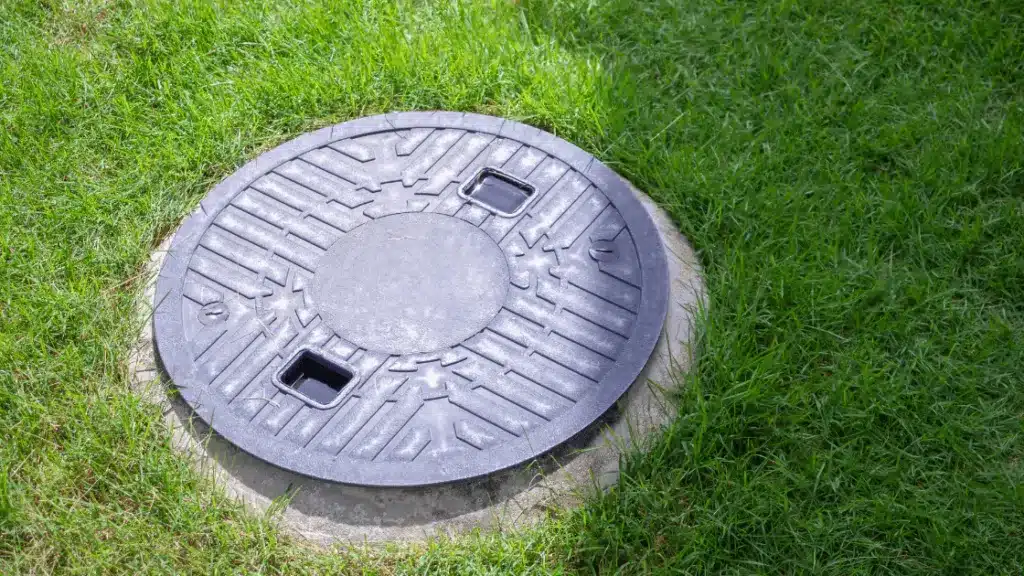
If you own a home in Massachusetts, chances are your property relies on a septic system instead of city sewer. When that system starts showing its age, one question always comes up: how much will a new septic tank cost to install? The truth is, prices can vary more than most homeowners expect. Soil type, permits, and even your town’s health board can all affect the bottom line.
As someone who’s worked with countless septic installations across the state, I’ll break down what really drives the cost in Massachusetts and how to budget confidently for your project.
Average Septic Tank Installation Cost in Massachusetts
The average cost to install a septic tank in Massachusetts typically falls between $20,000 and $30,000, though projects can range anywhere from $9,000 to $50,000+ depending on site conditions.
Here’s how those numbers break down in the real world:
-
Basic system (ideal soil and flat lot): $9,000 to $12,000
-
Standard system (typical conditions): $18,000 to $30,000
-
Engineered or replacement system (poor soil or high groundwater): $35,000 to $50,000+
Most homeowners land somewhere in the middle. I’ve seen straightforward jobs in Central Massachusetts come in under $15,000, but coastal or rocky lots in Cape Cod easily double that.
Remember, Massachusetts has some of the strictest septic regulations in the country, which influences cost. Every system must comply with the Title 5 code (310 CMR 15.000) enforced by the state Department of Environmental Protection (MassDEP).
Key Factors That Affect Septic System Cost in Massachusetts
The biggest mistake homeowners make is assuming the tank itself drives most of the price. In reality, site conditions and engineering requirements determine far more of the final cost.
1. Soil Type and Percolation Results
Massachusetts law requires a soil evaluation and percolation test before design or installation. The results dictate how easily wastewater drains through the ground.
-
Good soil (sandy or loamy): lowers cost because it supports a conventional leach field.
-
Poor soil (clay, ledge, or high water table): raises cost because it requires an engineered or raised-bed system.
If your property fails the perc test, expect additional engineering, pump systems, or a mound design—each adding thousands.
2. System Size and House Capacity
Septic system size depends on bedroom count, not bathrooms. A three-bedroom home typically needs a 1,000-gallon tank, while larger homes might require 1,500 gallons or more. Bigger systems mean larger leach fields and higher excavation costs.
3. Terrain and Accessibility
Hilly or rocky terrain makes excavation harder and can require special equipment. Likewise, properties with limited access for machinery (tight driveways or wooded lots) often pay more because contractors must spend extra time staging materials.
4. Materials and System Type
Concrete tanks are most common in Massachusetts, but fiberglass and polyethylene tanks are lighter and sometimes easier to install in limited-access areas. Alternative systems such as aerobic treatment units or pressure distribution systems can double costs but are necessary in sensitive environments.
5. Local Permits and Title 5 Regulations
Every Massachusetts town has a Board of Health that reviews septic plans and issues permits. These reviews, combined with Title 5 requirements, add fees and time to the project. Some towns charge $500 to $1,000 just for plan review and approval.
When you add engineering design, surveying, and inspections, permitting alone can account for $2,000–$5,000 of your total project cost.
Understanding Title 5 Septic Requirements in Massachusetts
If you own property here, you’ve likely heard about Title 5, Massachusetts’ strict code regulating septic systems. It governs everything from soil testing to tank sizing, siting distances, and post-installation inspections.
Here’s what to expect:
-
Soil Evaluation: Conducted by a licensed soil evaluator. This determines if the lot can handle a conventional system.
-
System Design: Must be completed by a professional engineer or registered sanitarian using Title 5 design standards.
-
Board of Health Review: Local health officials must approve the plans before any work begins.
-
Final Inspection: After installation, the system must pass inspection and receive a Certificate of Compliance.
It’s a thorough process, but it protects both property owners and the environment. Many towns in Massachusetts sit near wetlands or coastal zones, making wastewater management critical.
Detailed Breakdown of Septic System Installation Costs
When you start breaking down the numbers, it’s easier to see where your money actually goes during a septic system installation in Massachusetts. Here’s a realistic look at typical cost ranges for each major component:
-
Engineering and Perc Test: $1,000–$3,000
Includes soil testing, site evaluation, and design work required before you can obtain permits. -
Local Health Permits: $500–$2,000
Each town sets its own fee schedule. This covers plan reviews and Title 5 compliance checks by your Board of Health. -
Septic Tank and Distribution Box: $2,500–$5,000
The cost depends on the tank’s material (concrete, fiberglass, or plastic) and size, typically ranging from 1,000 to 1,500 gallons for most homes. -
Excavation and Installation: $6,000–$15,000
Covers digging, grading, tank placement, and trenching for pipes. Rocky or sloped terrain can increase this cost significantly. -
Leach Field or Drain Field: $5,000–$15,000
Often the single biggest expense after the tank. Soil conditions and field design have the largest impact on cost. -
Pump or Aerobic System (if required): $3,000–$10,000
Needed for properties with high groundwater, poor percolation, or limited space. These systems require more equipment and electrical components. -
Landscaping and Site Restoration: $1,000–$4,000
After installation, you’ll likely need grading, seeding, or driveway repair to restore your yard.
For most homeowners, the total cost to install a new septic system in Massachusetts averages between $20,000 and $30,000. But when complex engineering or unfavorable soil is involved, projects can easily reach $40,000–$50,000 or more.
Understanding this breakdown gives you leverage when reviewing contractor bids. It helps you see what’s included, what’s missing, and where unexpected costs might sneak in.
How to Save Money on a Septic System Installation
While you can’t control every variable, you can make smarter decisions that keep your project within reason.
1. Compare at least three bids. Prices can differ dramatically between contractors. Ask each bidder to itemize materials, labor, and permitting so you can compare fairly.
2. Verify soil conditions early. Spend the few hundred dollars for a perc test before budgeting. If the lot fails, you’ll know to plan for an engineered system.
3. Time your project strategically. Some installers offer slightly better pricing during their slower months, often late fall or early winter before the ground freezes.
4. Prepare the site. Clearing obstacles, trimming trees, or improving access ahead of time can save equipment hours.
5. Ask about state tax incentives. Massachusetts offers a Title 5 Tax Credit for septic repairs and upgrades—up to $6,000 over four years for principal residences.
Cutting corners on engineering or compliance is never worth it. A failed inspection can delay your project and lead to even higher costs later.
What Homeowners Should Ask Before Hiring a Septic Contractor
A new septic system is a major investment. To protect yourself, ask clear, specific questions before signing any contract:
-
What type and size of system are you proposing?
-
Does your quote include engineering design, testing, and permit fees?
-
How long will installation take from start to final inspection?
-
Are landscaping and driveway repairs included in the cost?
-
What warranties do you provide on materials and workmanship?
-
How will unexpected conditions like ledge or water table issues be handled?
Contractors who are open and detailed in their answers tend to be the most trustworthy. And if a quote sounds too good to be true, it usually is.
Real Massachusetts Homeowner Examples
A few recent projects I’ve seen illustrate how varied these costs can be:
-
Central Massachusetts: A homeowner with sandy soil and flat terrain installed a standard 1,000-gallon concrete system for about $15,500 start to finish.
-
Cape Cod: The same-size home required a raised-bed system due to a high water table, bringing total costs near $42,000.
-
Western Massachusetts: A large five-bedroom farmhouse needed a 1,500-gallon tank and pump system, totaling $36,000 after engineering and landscaping restoration.
Each property tells its own story. The key difference? Site conditions and local health board requirements.
Long-Term Value of a Properly Installed Septic System
It’s tempting to think of a septic tank as an invisible expense buried underground, but in Massachusetts it’s a major factor in property value and home saleability.
A new Title 5-compliant system is a selling point. Many buyers in rural towns specifically look for homes with recent septic replacements to avoid future costs. Conversely, a failed system can stop a sale cold until repairs are completed.
Keeping your system well maintained—pumping every three to five years, avoiding grease or harsh chemicals, and monitoring drainage—is the best way to protect that investment. Proper maintenance can extend lifespan beyond 25 years, while neglect can cut it in half.
What to Do If Your Septic System Fails Before a Home Sale
If your Title 5 inspection fails and you need a new system before selling, it can feel daunting. Some sellers choose to repair or replace before listing, while others prefer to sell “as-is.”
In those situations, companies like Pavel Buys Houses can help. They purchase homes across Massachusetts in any condition, including properties with septic system issues, and handle the closing quickly so sellers can move forward without dealing with costly repairs.
For homeowners facing a failed inspection or expensive replacement, this can be a practical alternative to traditional sales.
Final Thoughts
The cost to install a septic tank in Massachusetts depends on much more than the tank itself. Soil, terrain, system type, and state regulations all shape the final price. Still, with good preparation and a trustworthy contractor, the process doesn’t have to be stressful.
Plan early, test your soil, and set a realistic budget range—typically $20,000 to $30,000 for most homes. And if you’re thinking of selling or upgrading, a functioning, Title 5-approved septic system will always pay you back in peace of mind and resale value.
As someone who’s seen every kind of property across the Bay State, I can say this confidently: a well-built septic system isn’t just an expense, it’s an asset. Handle it right, and it’ll quietly protect your home and your investment for decades to come.
Helpful Massachusetts Resources
- How to Sell a House by Owner Massachusetts
- Selling a House in Foreclosure Massachusetts
- Attorney Fees For Home Closings In Massachusetts
- Taxes on Selling a House in Massachusetts
- Selling a House During Probate in Massachusetts
- How to Sell a Hoarder House in Massachusetts
- Tax Implications for Selling an Inherited House in Massachusetts
- How to Sell a Rental Property with Tenants in Massachusetts