
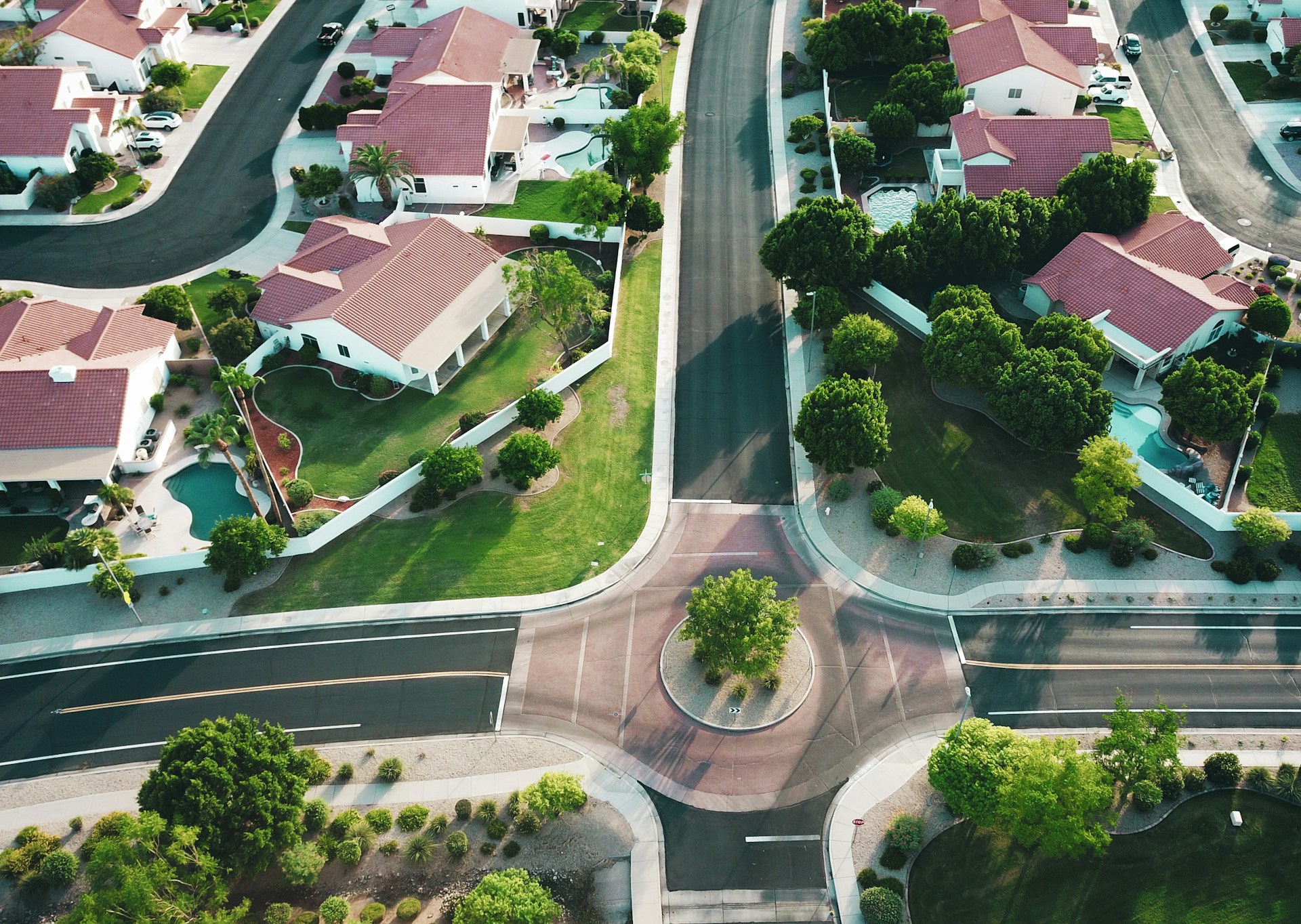
Why Florida HOAs Take Unpaid Fees So Seriously
Homeowners associations rely on collective payments to maintain shared amenities—everything from landscaping and pools to roofs, roads, and security systems. When one owner stops paying, it doesn’t just affect that household. It shifts the burden to neighbors and threatens the financial stability of the entire community. That’s why Florida law gives HOAs powerful collection rights that can quickly move from simple reminders to legal action.
In my experience working with homeowners who’ve fallen behind on their HOA dues, most people don’t realize how structured and aggressive the process can become. The HOA board is legally obligated to collect what’s owed, and under Florida Statute 720.3085, the association can file liens, add late fees, and even foreclose on your home if the balance remains unpaid. It’s not personal—it’s procedural. But it can feel deeply personal when you’re the one facing letters and legal notices.
What Happens First: Late Fees, Interest, and Collection Notices
The process typically starts small. You miss a payment, and the HOA sends a reminder or issues a late fee—usually around $25 to $100, depending on your community’s governing documents. If you still haven’t paid within 30 days, most associations begin adding interest, often between 18% and 25% annually on the overdue balance. That amount can compound quickly, especially when combined with administrative charges for letters and certified mail.
At this point, communication is everything. HOAs are far more likely to work with homeowners who respond early, even if you can’t pay in full. Requesting a payment plan or explaining your hardship can sometimes pause collection efforts temporarily. But silence almost always triggers escalation, because the association has a fiduciary duty to act in the community’s best interest. In short, the longer you wait, the fewer options you’ll have.
When Things Get Serious: HOA Liens and Legal Action
If the debt remains unpaid after repeated attempts, the HOA will likely record a lien against your property. In Florida, this step usually occurs after 45 to 90 days of delinquency. The lien acts as a legal claim that must be satisfied before you can sell or refinance the property. It covers unpaid dues, interest, late charges, attorney’s fees, and collection costs. The moment a lien is filed, your balance can easily double, sometimes triple, depending on legal expenses.
What many people don’t realize is that a Florida HOA lien automatically secures the right to pursue foreclosure. That means the association doesn’t need to sue you first—they can initiate a foreclosure action similar to a mortgage lender. Even if your mortgage is current, you could still lose your home over unpaid HOA dues. It’s a scenario that surprises many homeowners, but it’s completely legal under state law.
According to the Florida Department of Business and Professional Regulation, HOAs must give written notice of intent to foreclose at least 45 days before filing in court. If you ignore that notice, the foreclosure proceeds just like any other. And if the property sells at auction, your mortgage lender could still come after you for their balance if the sale doesn’t cover it all. In extreme cases, an HOA foreclosure can wipe out years of equity in a matter of months.
How HOA Foreclosure Works in Florida
HOA foreclosures in Florida follow a judicial process, meaning they go through the court system. Once the association files, you’ll receive a summons giving you 20 days to respond. If you don’t answer, the court can issue a default judgment and schedule a sale date for your home. While that might sound abrupt, the process often takes several months from start to finish. Still, once the court orders the sale, reversing it becomes very difficult.
There’s one important detail that often confuses homeowners: paying your mortgage doesn’t protect you from HOA foreclosure. The two debts are separate. The bank’s lien is usually superior, which means they get paid first from the sale proceeds, but the HOA can still force the sale itself to collect what it’s owed. Even after foreclosure, the association may pursue you personally for any remaining balance if the sale doesn’t cover all fees.
To put it bluntly, ignoring HOA debt in Florida can cost you your home faster than you might think. It’s not about the amount you owe—it’s about the legal authority your HOA holds to collect it.
Your Rights and Possible Solutions
While HOA laws heavily favor associations, homeowners still have rights and options. You can challenge improper charges, dispute inaccurate accounting, or request mediation before a foreclosure moves forward. Florida law requires HOAs to follow strict procedures when sending notices, calculating fees, and applying payments. If any of those steps are mishandled, you might have grounds to delay or reduce what you owe.
Here are a few proactive steps if you’ve fallen behind:
- Contact the HOA early: Don’t wait for the second or third notice. Request a written statement of your balance and ask about payment plan options.
- Review the governing documents: Your HOA’s declaration and bylaws outline late fee policies, interest limits, and timelines. Knowing your rights gives you leverage.
- Seek legal or financial counseling: Consumer protection agencies, legal aid organizations, and real estate attorneys in Florida can review your case and advise on next steps.
- Verify charges: Ask for a detailed ledger of fees and payments. Mistakes happen more often than you’d think, especially when management companies change.
- Prioritize essential payments: If money is tight, paying the HOA before discretionary expenses can prevent costly escalation.
Even if you can’t catch up immediately, showing effort and communication can make a difference. Many boards are willing to settle or waive part of late fees when homeowners show good faith. But once attorneys get involved, flexibility tends to vanish quickly.
Can the HOA Garnish Wages or Freeze Bank Accounts?
If your debt goes to court and results in a judgment, the HOA or its collection agency can pursue additional remedies. In Florida, that may include wage garnishment, bank account levies, or liens against other property you own. These actions require court approval, but they’re legally possible once the HOA wins a judgment. The process can be financially and emotionally draining, especially since attorney fees continue to accumulate.
While this sounds intimidating, most associations prefer to resolve debts before reaching that point. Foreclosure and garnishment cost money too, and many HOAs would rather recover what they can through direct payment or settlement than drag out the process. Still, understanding how far these powers extend can help you take early action and protect your assets before the situation escalates.
What If You Decide to Sell or Refinance?
If you try to sell your home with an unpaid HOA balance, the lien will appear during the title search and must be cleared before closing. Buyers’ lenders won’t approve financing with outstanding HOA debt. Similarly, refinancing becomes nearly impossible until you settle the account. Most title companies won’t issue insurance until all liens are released, so ignoring the issue can delay or derail your sale altogether.
Some homeowners choose to include the HOA payoff in their closing costs if they’re selling. Others negotiate directly with the board or management company for a reduced payoff amount. Either way, clearing the debt is mandatory for a clean transfer of ownership. If you’re planning to sell soon, resolving HOA issues early avoids last-minute surprises that could cost far more than the original debt.
How to Prevent Problems with HOA Fees
The best defense against HOA trouble is consistency and communication. Even responsible homeowners can fall behind after unexpected life events, but staying proactive keeps problems manageable. Set reminders for due dates, use auto-pay if possible, and keep copies of every transaction. If your HOA changes management companies, verify that your payments are being sent to the correct address. Lost or misapplied payments are more common than most people realize.
It’s also worth attending board meetings occasionally. Understanding how fees are spent and how budgets are set helps you anticipate potential increases. HOAs aren’t out to punish residents—they’re designed to protect property values. When communication breaks down, everyone loses. A little transparency goes a long way toward preventing conflict.
Final Thoughts
Falling behind on HOA fees can feel embarrassing or overwhelming, but ignoring the problem only makes it worse. In Florida, associations have strong legal tools to collect what’s owed, including liens and foreclosures, even if your mortgage is current. The smartest move is to communicate early, review your rights, and seek help before penalties snowball. Every HOA situation is unique, but they all respond better to cooperation than avoidance. With the right approach and guidance, you can protect your home, your credit, and your peace of mind.
⚡ Sell Your House Fast
"*" indicates required fields

Pavel Khaykin
Pavel Khaykin is the founder and author of Pavel Buys Houses, a nationwide home buying company that helps homeowners sell their properties quickly for cash. With a strong background in real estate and digital marketing, Pavel has been featured in The New York Times, ABC News, and The Huffington Post. His mission is to make the home-selling process simple, transparent, and trustworthy for every homeowner he works with.

![Landlord Rights When Tenants Violate the Lease in Massachusetts]](https://www.pavelbuyshouses.com/wp-content/uploads/2025/11/landlord-rights-when-tenants-violate-lease-massachusetts.jpg)